

Categories
Home BuyingPublished October 28, 2026
How to Turn the Home You Have Into the Home You Want


Finding the right home can feel like a balancing act. You want the kitchen you've always imagined, enough room to spread out, a location that makes everyday life easier, and a price that doesn't leave you worrying about every monthly bill.
But what if the perfect home isn't the one that's already finished? What if it's a home with the right layout, a location you love, and a little room to make it your own?
When buying a home, you don't necessarily need to find a property that checks every box on your wish list. You need to find one that meets your most important needs, fits your budget, and has potential for the future.
For buyers in Charlotte, NC, and the surrounding communities, that means looking beyond beautiful listing photos and learning how to evaluate a home's location, condition, functionality, and possibilities.
Here's how to approach your home search with a clearer plan, make smart compromises, and find a home you can grow into.
1. Start by Defining What Your Dream Home Really Means
Before you start touring homes, take a little time to figure out what you actually want from your next place.
It's easy to get caught up in features you see online. One listing has a gorgeous kitchen, another has a huge backyard, and a third has the perfect primary bathroom. Suddenly, every home seems to be missing something.
Instead of chasing every feature, think about how you want your home to fit into your life.
Do you need a home office because you work remotely? Are you hoping for a shorter commute? Do you want space for guests, a growing family, or a hobby you've never had room for?
Start with the reasons you're moving. They'll help you separate what matters from what simply looks nice.
Separate your must-haves from your nice-to-haves
Make three lists before you begin shopping.
Your must-haves: These are the features you genuinely need. Maybe it's a certain number of bedrooms, a manageable commute, a first-floor primary bedroom, or a home within a particular budget.
Your nice-to-haves: These are features you'd love but could live without. Think granite countertops, a walk-in pantry, a finished basement, or a large deck.
Your deal-breakers: These are the things that would make a property unsuitable for you, even if other features are appealing.
Your lists will depend on your lifestyle. A buyer who works from home may prioritize a quiet office, while someone who loves entertaining might care more about an open living area.
There isn't one right wish list. The goal is to understand your own priorities before a beautiful home distracts you from them.
Think about how you want to live, not just how you want your home to look
Picture an ordinary Tuesday in your future home.
Where will you drink your morning coffee? How will you get to work? Where will groceries go when you come home? Will you have enough storage for the things you use every day?
These questions may not sound as exciting as choosing countertops, but they can tell you a lot about whether a property will work for you.
A home can look impressive during a 20-minute showing and still feel inconvenient once you're living there.
A helpful home-buying tip: Write down three things that would make your everyday life better. Use those priorities to evaluate each property you visit.
2. Set a Home-Buying Budget That Leaves Room for Your Future
A home that looks affordable on paper can become stressful if the monthly payment leaves little room for anything else.
Before you fall in love with a property, determine what you can comfortably afford—not just what a lender might approve.
The Consumer Financial Protection Bureau recommends considering your total housing expenses, including taxes, insurance, homeowners association fees where applicable, maintenance, repairs, and utilities. Your budget should also account for closing costs, moving expenses, and money you want to keep available for emergencies.
You can use the CFPB's guide to deciding how much to spend on a home to help work through these expenses.
Look beyond the listing price
Imagine you're comparing two homes.
One is move-in ready, but its purchase price is near the top of your budget. The other costs less but needs new flooring, fresh paint, and a few other updates.
The second home might give you more flexibility, but only if the cost of the updates fits your finances.
Before deciding, consider the full picture:
- Your monthly mortgage payment, including principal and interest.
- Property taxes and homeowners insurance.
- Mortgage insurance, if applicable.
- HOA dues, if applicable.
- Utilities and routine maintenance.
- Immediate repairs or improvements.
- Closing costs and moving expenses.
- Savings you want to preserve for unexpected expenses.
Closing costs vary by transaction. The CFPB gives a general planning estimate of 2% to 5% of the purchase price, excluding the down payment, but your actual expenses may fall outside that range. Ask your lender for estimates based on your specific situation.
Leave room for the changes you want to make
If you plan to update a home after moving in, include those expenses in your budget before making an offer.
You don't have to renovate everything at once. Fresh paint, new cabinet hardware, lighting changes, and landscaping may be projects you can tackle gradually.
However, cosmetic improvements should not take priority over essential repairs or your financial safety net.
A home that requires a new roof, significant plumbing work, or major structural repairs may involve a very different level of cost and risk than one that simply needs new paint.
If you're considering a property that needs work, research the likely expenses before deciding what you can afford to offer.
The goal isn't to buy the most expensive home you can qualify for. It's to find a home you can enjoy without constantly worrying about the bills.

3. Learn to See a Home's Potential
Sometimes, the right home doesn't look the way you imagined.
Maybe the walls are painted in colors you'd never choose. The kitchen cabinets are dated. The light fixtures make the rooms feel darker than they really are.
It's tempting to cross the property off your list and move on.
But before you do, ask yourself a different question: Are these problems with the home itself, or are they things you could reasonably change?
Look at the layout before the finishes
Finishes are the visible details that give a home its style. They include paint colors, flooring, countertops, cabinet hardware, and light fixtures.
Many of these features can be updated without changing the basic structure of the property.
Layout is different. It affects how rooms connect, how people move through the home, and whether the available space works for your needs.
For example, an outdated kitchen might still have enough counter space, storage, and room to prepare meals. Changing the cabinet color or replacing hardware could make it feel more current.
On the other hand, a kitchen that is too small for your needs or separated from the rest of the living area may require a more extensive renovation to change its functionality.
When touring a property, consider:
- Is there enough space for your everyday activities?
- Does the layout make sense for your household?
- Is there adequate storage?
- Can you work with the existing room sizes?
- Would simple cosmetic changes make the home feel more like yours?
- Would your desired changes require expensive construction?
You don't need to have every renovation figured out during a showing. You just need to recognize the difference between an imperfect finish and a feature that may be difficult to change.
Identify improvements you could make over time
Here are a few examples of how an existing home might become a better fit.
| What you see today | Potential improvement | What to consider |
|---|---|---|
| Dated wall colors | Repaint the rooms | Check the wall condition and preparation needed. |
| Old cabinet hardware | Replace handles and knobs | Confirm that the new hardware fits or that existing holes can be addressed. |
| A dark living room | Improve lighting and window treatments | Consider the amount of natural light and the room's layout. |
| An overgrown yard | Add landscaping and outdoor seating | Check drainage, maintenance needs, and any HOA restrictions. |
| An unfinished room | Explore how it could be used | Verify whether the space is suitable for the intended purpose and whether permits or other approvals are needed. |
| An outdated bathroom | Plan cosmetic updates or a larger renovation | Investigate plumbing, ventilation, moisture, and the scope of work. |
These are possibilities, not guarantees. Costs depend on the property's condition, materials, labor, and the complexity of the work.
If a change would involve moving plumbing, altering walls, expanding the home's footprint, or converting unfinished space, get appropriate professional advice before assuming the project is practical.
The key is to look for potential you can realistically afford—not potential that only works in your imagination.
4. Decide What You Can Change and What You Shouldn't Compromise On
One of the most useful tips in buying a home is learning which compromises are reasonable and which ones could create problems later.
You may be able to change a home's appearance over time. Changing its location, lot size, or fundamental layout can be much harder.
Use this comparison to help evaluate your options.
| Feature | Can it be changed? | What to consider |
|---|---|---|
| Paint and wall colors | Usually, relatively easily | Cost, preparation, and time. |
| Light fixtures | Often | Existing wiring, fixture compatibility, and installation needs. |
| Flooring | Often | Cost, subfloor condition, and installation complexity. |
| Kitchen finishes | Sometimes relatively easily | Cabinet condition, countertop choices, and the cost of replacing components. |
| Room layout | Sometimes, but potentially expensive | Structural walls, plumbing, electrical work, permits, and contractor estimates. |
| Number of bedrooms | Depends on the property | Available space, legal requirements, and the cost of creating suitable rooms. |
| Location and commute | No | Daily travel, access to services, and lifestyle. |
| Lot size and shape | Generally not in a practical sense | Outdoor needs, privacy, drainage, and property boundaries. |
| Roof, foundation, and major systems | Repairable in many cases, but potentially costly | Inspection findings, repair estimates, financing, and insurance considerations. |
This doesn't mean you should automatically reject a home with a major issue. It means you should understand the issue before deciding whether the property is right for you.
A home with an outdated kitchen and a sound structure may be worth considering. A home with unresolved water intrusion or significant foundation concerns requires much more investigation.
The same principle applies to location.
If you want to live close to work, changing the countertops won't make a long commute shorter. If you need a first-floor bedroom, a beautiful upstairs primary suite may not solve your needs.
A good compromise improves your options without creating a problem you'll struggle to solve later.
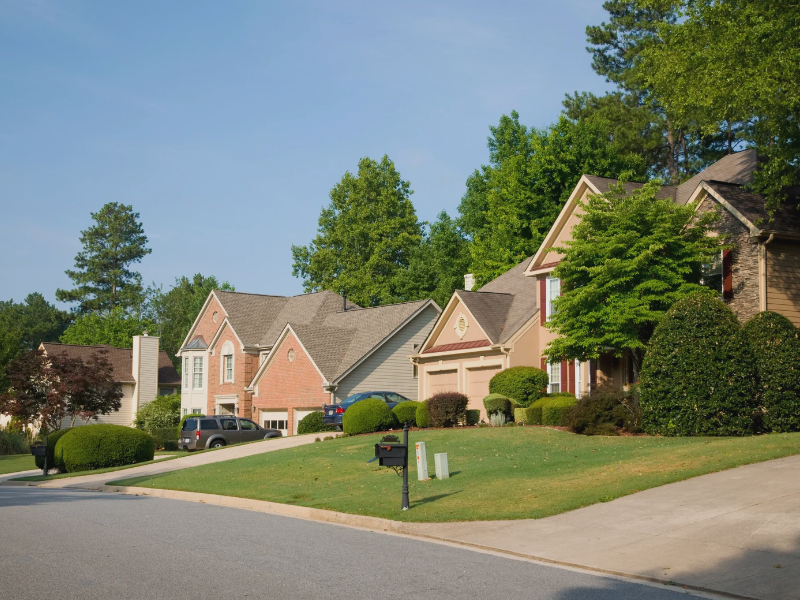
5. Consider the Lifestyle That Comes With the Location
When buying a home in Charlotte or the surrounding communities, it's worth considering more than the property itself.
The right location can make everyday life easier, while the wrong one can create frustrations that no interior update will fix.
A home in Ballantyne, for example, may appeal to someone whose work, routines, or preferred amenities are nearby. Another buyer may prefer a different part of the Charlotte region because of their commute, budget, or lifestyle.
The best choice depends on the individual buyer—not simply on a neighborhood's reputation.
Think about your everyday routine
Before choosing a location, consider:
- How long will your usual commute take?
- Are grocery stores, healthcare, and other everyday services convenient?
- Do you want to be near parks, restaurants, or recreational activities?
- Does the neighborhood offer the type of setting you prefer?
- Will the location still work if your household or work arrangements change?
- Are there HOA rules, community fees, or property restrictions you need to understand?
Don't rely on a single visit to make your decision. If possible, explore the area at different times of day and check the routes you would use regularly.
If you're considering a property near a major road or a developing area, investigate traffic, construction plans, and other factors that could affect your experience.
Consider what matters most in the Charlotte area
The Charlotte region includes a range of housing options, from established neighborhoods to newer communities and homes farther from the city center.
A buyer who wants a newer home with modern finishes may have different priorities from someone who prefers an established neighborhood with mature trees and an older home they can personalize.
Neither choice is automatically better.
The important thing is to compare properties using the same criteria. Look at the purchase price, total ownership costs, location, property condition, and how much work each home would need to meet your needs.
For buyers considering communities in nearby South Carolina, remember that property-specific rules, taxes, insurance considerations, and real estate contract practices may differ from those in North Carolina. Verify the details for the actual property and jurisdiction rather than assuming the same rules apply everywhere.
6. Understand the Risks Before Buying a Home That Needs Work
A home that needs updates isn't necessarily a bad purchase. But it's important to understand what you're taking on before you commit.
The difference between a manageable project and an expensive surprise often comes down to how carefully you investigate the property.
Get the right inspections
A home inspection can help identify visible problems with the property's condition. Depending on the home, you may also need additional evaluations by qualified professionals.
Pay attention to findings involving:
- The roof and signs of water intrusion.
- The foundation and structural components.
- Plumbing and electrical systems.
- Heating and cooling equipment.
- Moisture, drainage, and ventilation.
- Signs of pest damage.
- Any other concerns identified during the inspection.
A general home inspection has limits. It does not guarantee that every defect will be discovered or that a property will never need repairs.
If the inspector identifies a concern, ask whether a specialist should investigate it and obtain estimates where appropriate.
Don't assume a repair will be inexpensive simply because the issue looks small during a showing.
Understand North Carolina's due diligence process
For buyers purchasing property in North Carolina, the due diligence period is an important part of the transaction.
The North Carolina Real Estate Commission explains that due diligence is an agreed-upon period during which a buyer can investigate the property and transaction. Investigations may include inspections, financing, surveys, title matters, and other issues relevant to the decision to proceed.
The due diligence fee, if negotiated, is generally paid to the seller. Whether it is refundable or at risk depends on the contract terms and applicable circumstances.
You can read the commission's explanation of due diligence for additional information.
Before making an offer, discuss the contract, deadlines, investigation needs, and potential financial risks with your real estate professional and, where appropriate, a qualified attorney.
Don't assume you'll have unlimited time to investigate a home after your offer is accepted.
Research renovation costs before you commit
If you're buying a home that needs improvements, get realistic estimates before building your plans around them.
A contractor can help you understand the potential cost, scope, and timing of a project. Depending on the work, you may also need permits or approval from an HOA or other authority.
Ask questions such as:
- What work is necessary, and what is optional?
- Could there be hidden problems once the work begins?
- How long might the project take?
- Will the home be usable while the work is underway?
- Are permits or specialist contractors required?
- Can the project fit within my budget without using emergency savings?
A lower purchase price doesn't automatically make a home a better financial choice. You need to consider the purchase price, likely repair expenses, and the uncertainty surrounding the work.
7. Make a Plan for Turning the House Into Your Home
Once you've found a property that fits your needs and budget, you can start thinking about how to make it feel like yours.
The trick is not to tackle everything at once.
A home doesn't have to be completely renovated before you can enjoy living in it. A thoughtful plan can help you prioritize the work that matters most.
Step 1: Address safety and essential repairs
Start with issues that affect safety, structural integrity, weather protection, or essential systems.
If an inspection identifies a significant concern, determine what needs to be done and obtain professional advice before moving forward with optional improvements.
Step 2: Focus on everyday functionality
Next, address anything that makes the home difficult to use.
This might include improving storage, fixing a troublesome door, adjusting lighting, or organizing a room so it works better for your household.
Small changes can sometimes make a noticeable difference in how a space functions.
Step 3: Make affordable cosmetic updates
Once the essentials are covered, consider improvements that help the home reflect your style.
You might repaint a bedroom, update cabinet hardware, change window treatments, or add shelving.
Choose projects based on your budget and how much they will improve your everyday experience.
Step 4: Save larger projects for when you're ready
Major kitchen renovations, bathroom remodels, and room additions may require more planning and expense.
There's nothing wrong with waiting until you've settled into the home, understand how you use the space, and have a clearer idea of your finances.
Living in a home for a while can also help you decide which improvements are genuinely necessary and which ones only seemed important before you moved in.
Your home can evolve with you. You don't have to make every change on day one.
8. Use This Checklist Before Deciding on a Home
When you've found a property you like, pause and evaluate it before getting caught up in the excitement.
Ask yourself these questions:
Budget
- Can I comfortably manage the total monthly housing costs?
- Have I accounted for closing costs, moving expenses, and maintenance?
- If the home needs work, can I afford the necessary improvements?
Lifestyle
- Does the location work for my commute and everyday routines?
- Does the home meet my essential space and accessibility needs?
- Can I see myself living here for the amount of time I expect to own it?
Property condition
- Do I understand the home's current condition?
- Have I identified concerns that need further investigation?
- Have I obtained estimates for significant repairs or improvements?
Future potential
- Can I make the changes I want within a realistic budget?
- Are the features I cannot change acceptable to me?
- Will I still be happy with this home if some improvements have to wait?
If you can answer these questions with confidence, you'll be in a better position to compare the property with your other options.
If you can't, that doesn't necessarily mean you should walk away. It may simply mean you need more information before deciding.
Frequently Asked Questions About Buying a Home
Do I need to find my dream home when buying a house?
No. You need a home that meets your essential needs, fits your budget, and works for your lifestyle. You may be able to update cosmetic features over time, but it's important to evaluate the property's condition and avoid compromising on features that would be difficult or expensive to change.
Is it worth buying a house that needs renovations?
It can be, depending on the purchase price, the property's condition, your budget, and the improvements required. Get appropriate inspections and realistic estimates before deciding. A home that needs cosmetic updates is different from one that requires major structural or system repairs.
What should I prioritize when buying a home?
Start with affordability, location, essential space, functionality, and property condition. Then consider optional features such as updated finishes, additional amenities, and decorative details.
How much money should I set aside for home repairs and improvements?
There is no single amount that works for every home. Your needs will depend on the property's age, condition, size, systems, and the work you plan to do. Estimate known repairs and improvements separately from the emergency savings you want to keep available. A qualified inspector and contractor can help you understand likely expenses.
What should first-time home buyers do before looking at houses?
Start by reviewing your finances, estimating your comfortable monthly housing payment, and speaking with a mortgage lender about financing and pre-approval. Then create a list of must-haves, nice-to-haves, and deal-breakers. The Consumer Financial Protection Bureau's home-buying guide offers helpful tools for preparing, comparing loan options, and understanding the closing process.
Find a Home That Fits Your Life With Live Love Homes
Your next home doesn't have to be perfect the moment you walk through the front door. It should be a home that makes sense for your budget, supports your everyday life, and gives you a realistic path toward the future you want.
Sometimes that means choosing a move-in-ready property. Other times, it means looking past dated finishes to find the right layout, location, and potential.
The important part is knowing which compromises make sense for you—and which ones don't.
If you're buying a home in Charlotte, NC, or the surrounding area, Live Love Homes can help you clarify your priorities, compare your options, and navigate your home search.
Ready to start looking? Schedule a buyer consultation with Live Love Homes and take the next step toward finding a home that feels right for you.
Visit Live Love Homes to get started.

Lisa Archer
CEO / Broker | Live Love Homes | Keller Williams Ballantyne | PLACE
or another way