

Categories
Home BuyingPublished October 24, 2026
15 Real Estate Listing Phrases Decoded: What Do They Really Mean?

15 Real Estate Listing Phrases Decoded: What Do They Really Mean?
Have you ever found a house online that looked perfect, only to wonder what the listing description actually meant?
"Cozy." "Needs TLC." "Great bones." "Endless potential."
Real estate listings are full of phrases that sound appealing but don't always tell you the whole story. Some describe a home's genuine charm. Others may hint at limited space, outdated features, or repairs you'll want to investigate before making an offer.
The trick is knowing what to look for without assuming the worst.
In this guide, we'll decode 15 common real estate listing phrases, explain what they might mean, and share the questions you should ask before scheduling a showing or deciding to buy.
The bottom line: A listing description is a starting point, not a guarantee of a home's condition. Use the language to guide your questions, then verify important details through property records, disclosures, a showing, and an appropriate home inspection.
15 Real Estate Listing Phrases Decoded
Let's break down some common real estate listing terms and what they could mean for you as a homebuyer.
1. "Cozy"
What it might mean: The home or a particular room is smaller than you might expect.
A cozy home can be comfortable, inviting, and full of character. But sometimes, "cozy" is used when a room has limited floor space or the overall layout feels compact.
For example, a listing might describe a cozy kitchen with a charming breakfast nook. That sounds lovely, but you may discover there's little room for more than one person to cook comfortably.
What to check:
- The home's total square footage.
- The dimensions of bedrooms, living areas, and the kitchen.
- Closet space and other storage options.
- Whether your existing furniture will fit comfortably.
Question to ask: "Do you have the dimensions of the main rooms so I can get a better feel for the space?"
Buyer tip: Don't automatically dismiss a smaller home. A thoughtfully designed 1,200-square-foot house may work better for you than a larger home with an awkward layout.
2. "Charming"
What it might mean: The home has distinctive architectural details, an older style, or features that give it personality.
Think original hardwood floors, a welcoming front porch, decorative trim, or a cottage-style exterior.
The catch? Charm doesn't tell you whether the property has modern conveniences, updated systems, or enough space for your needs.
An older home can have beautiful character and still need a new roof, electrical updates, or other improvements.
What to check:
- The age and condition of major systems.
- Whether the kitchen and bathrooms have been updated.
- Window condition and insulation.
- Whether the floor plan works for your lifestyle.
Question to ask: "Which parts of the home have been updated, and which features are original?"
Buyer tip: If you love older homes, look for a combination of character and documented maintenance. You don't have to choose between personality and practicality, but you should know what you're buying.
3. "Needs TLC"
What it might mean: The property needs some attention, but the amount of work can vary significantly.
TLC stands for "tender loving care." In a real estate listing, it can refer to anything from peeling paint and worn flooring to more substantial repairs.
The phrase alone doesn't tell you how much work is involved.
A home might need fresh paint and landscaping. Another might require plumbing repairs, roof replacement, or extensive renovations.
Those are very different projects, especially when you're working with a budget.
What to check:
- Whether the needed work is cosmetic or functional.
- The age and condition of the roof, HVAC, plumbing, and electrical systems.
- Whether there are signs of water intrusion or structural movement.
- Whether you can obtain contractor estimates before committing.
Question to ask: "What specific repairs or maintenance does the property need, and are any inspection reports available?"
Buyer tip: Before deciding that a home is a bargain, estimate the purchase price plus the likely cost of repairs. Leave room in your budget for unexpected expenses, too.
4. "Fixer-Upper"
What it might mean: The home needs renovations or repairs and may be a better fit for someone prepared to take on a project.
A fixer-upper can offer an opportunity to customize a home to your preferences. However, the amount of work required can range from updating finishes to addressing major building systems.
Don't assume that a lower asking price automatically makes a property a good deal.
Imagine two homes priced similarly. One needs new flooring and updated kitchen cabinets. The other needs a roof, extensive plumbing work, and a full kitchen renovation.
The renovation budgets could be dramatically different.
What to check:
- The scope of the renovations.
- Contractor availability and estimated costs.
- Whether permits may be needed.
- Whether your mortgage program permits the property's current condition.
- How much time you can realistically devote to the project.
Question to ask: "What work would need to be completed immediately, and what could reasonably wait?"
Buyer tip: If you're considering a major renovation, investigate financing options before making an offer. Some mortgage programs have specific property-condition requirements, while renovation loans may be available to eligible borrowers.
5. "Great Bones"
What it might mean: The home's layout, structure, or underlying features are being presented as worthwhile despite cosmetic updates or other work that may be needed.
This phrase sounds reassuring, but it's important to remember that a listing description is not a structural assessment.
A house can have a floor plan you love and beautiful original features while still having foundation concerns, an aging roof, or outdated electrical systems.
What to check:
- Foundation and structural condition.
- Roof condition and any history of leaks.
- Drainage around the property.
- Electrical and plumbing systems.
- Signs of water damage or previous repairs.
Question to ask: "What makes the seller describe the home as having great bones? Are there inspection reports or records of major repairs?"
Buyer tip: Treat "great bones" as a reason to investigate further, not proof that the house is structurally sound. A qualified home inspector can help identify issues that may need additional evaluation by a specialist.
6. "All Original Features"
What it might mean: Some finishes, fixtures, or components may date back to the home's original construction.
This can be wonderful if you love vintage details. Original hardwood floors, decorative molding, built-in cabinets, and older architectural features can give a home a distinctive look.
But "original" doesn't necessarily mean well-maintained, fully functional, or ready for everyday use.
For example, original kitchen cabinets might be attractive and sturdy, but the appliances, plumbing, or electrical components may need attention.
What to check:
- Which features are original and which have been replaced.
- Whether older systems have been maintained or updated.
- Whether renovations were completed with appropriate permits, where required.
- Whether materials in older homes warrant specialized evaluation.
Question to ask: "Which major systems have been replaced or updated, and when were those updates completed?"
Buyer tip: Original details can add character, but distinguish between features you want to preserve and systems you may need to replace.
7. "Investor Special"
What it might mean: The seller is marketing the property to buyers who are interested in renovations, rental income, or other investment opportunities.
The phrase may appear on properties that need work or appeal to buyers looking for a project.
However, it doesn't establish that the home will generate a profit or produce positive rental income.
A property can look inexpensive upfront but become costly after repairs, financing, taxes, insurance, maintenance, and other expenses.
What to check:
- The property's current condition.
- Comparable sales and realistic resale assumptions.
- Potential rental income supported by relevant market evidence.
- Property taxes, insurance, maintenance, and financing expenses.
- Local rental regulations and any HOA restrictions that apply.
Question to ask: "What comparable properties or verified rental information support the asking price and the property's investment potential?"
Buyer tip: Run the numbers before getting emotionally attached to the opportunity. A property that looks attractive on paper may not make financial sense once you account for the full cost of ownership.
8. "Sold As-Is"
What it might mean: The seller generally intends to sell the property in its current condition and may not agree to make repairs.
This phrase deserves attention because buyers should understand the seller's expectations before making an offer.
But "as-is" does not automatically mean a house is in poor condition, nor does it universally eliminate a buyer's ability to inspect the property.
The exact implications depend on the purchase agreement and applicable law. In North Carolina, for example, the North Carolina Real Estate Commission explains that an as-is listing does not, by itself, prevent a buyer from conducting inspections. The commission also explains that as-is language does not give sellers or agents permission to conceal material facts.
What to check:
- The property's condition and any available inspection reports.
- The purchase agreement's inspection and due-diligence provisions.
- Whether the seller will consider any repairs or concessions.
- Your financial ability to handle unexpected work.
- Applicable disclosure requirements.
Question to ask: "What does selling as-is mean under this transaction's terms, and what inspection options would I have?"
Buyer tip: Never rely on the listing phrase alone to determine your rights. Have your agent explain the contract terms, and consult a qualified attorney when you need legal advice.
9. "Motivated Seller"
What it might mean: The seller has a reason to move forward with a sale and may place particular importance on timing or certain offer terms.
Perhaps the seller is relocating, has already purchased another property, or wants to complete the transaction within a particular timeframe.
But motivation doesn't automatically mean the seller will accept a low offer.
A seller might prioritize a predictable closing date, fewer complications, or another term that matters more than the headline price.
What to check:
- The property's asking price compared with relevant comparable sales.
- How long the home has been listed.
- Whether the seller has indicated any preferred timing.
- The overall terms of the offer, not just the purchase price.
Question to ask: "Are there any terms or timing preferences the seller has communicated that buyers should understand?"
Buyer tip: Base your offer on the property's value, your budget, and your negotiating strategy. Don't assume the seller is desperate simply because the listing uses the word "motivated."
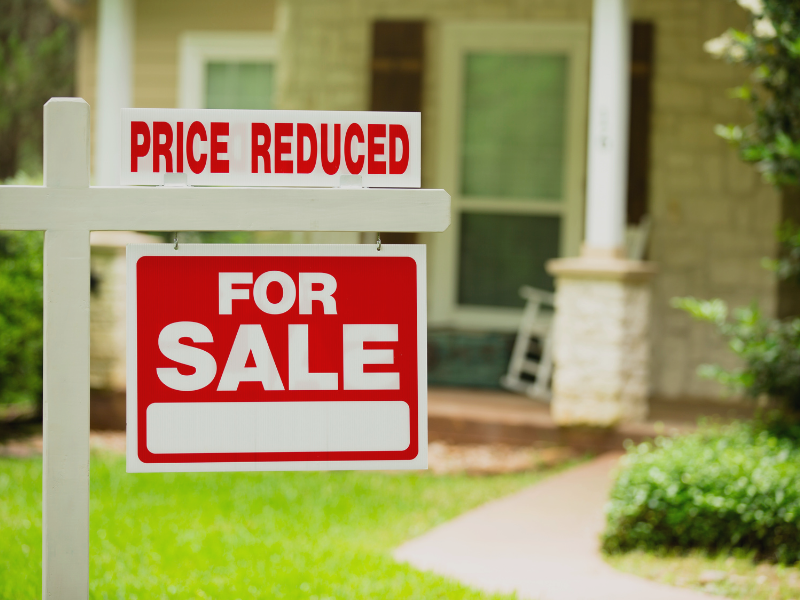
10. "Price Reduced"
What it might mean: The asking price has been lowered from an earlier listing price.
A price reduction can make a home more appealing to buyers who previously considered it too expensive.
But the reduction doesn't necessarily mean the property has a hidden problem. The seller may have adjusted the price in response to market feedback, changed circumstances, or new information.
Likewise, a reduced price doesn't guarantee that the home is now a bargain.
What to check:
- The original and current asking prices.
- The property's listing history, where available.
- Comparable recent sales.
- How the property's condition compares with similar homes.
- Whether the current price fits your budget and valuation.
Question to ask: "Has the seller shared why the price was adjusted, and how does the current price compare with similar properties?"
Buyer tip: Look at the numbers in context. A home that started far above comparable properties may still be overpriced after a reduction, while another may have become a genuine opportunity.
11. "Bring Your Offers"
What it might mean: The seller is inviting offers and may be open to negotiation.
This phrase can sound like an invitation to submit an unusually low offer. However, it doesn't tell you what price the seller will accept or how flexible the seller is.
An offer's strength also depends on its other terms, including financing, contingencies, requested concessions, and the proposed closing date.
What to check:
- Recent comparable sales.
- Current competition from similar properties.
- The property's condition and time on the market.
- Your financing and the terms you can comfortably support.
Question to ask: "What does the available market data suggest would be a reasonable offer for this property?"
Buyer tip: A well-supported offer is usually a better starting point than guessing how low you can go. Your agent can help you evaluate the property and structure an offer that fits your circumstances.
12. "Move-In Ready"
What it might mean: The home is being presented as ready for someone to occupy without needing substantial immediate updates.
For buyers who don't want to manage a renovation, this can be an appealing description.
Still, move-in ready is not a guarantee that every system is new, every repair has been completed, or the home has no defects.
A property might have fresh paint, updated flooring, and a clean kitchen while still having an aging HVAC system or a roof nearing the end of its useful life.
What to check:
- The condition and age of major systems.
- Maintenance records, where available.
- Signs of water damage or deferred maintenance.
- The seller's disclosures.
- The results of an appropriate inspection.
Question to ask: "What major updates have been completed, and are there any known maintenance issues or repairs that still need attention?"
Buyer tip: Separate cosmetic readiness from the condition of the home's major systems. A house can look beautiful and still need work.
13. "Unique"
What it might mean: The property has a distinctive design, layout, feature, or architectural style.
Maybe it has an unusual floor plan, a converted garage, a striking exterior, or a room that could serve multiple purposes.
Unique can be a positive. But a feature that appeals to one buyer may not work for another.
For instance, an open loft might make a wonderful creative space but provide less privacy than a conventional bedroom.
What to check:
- Whether the layout supports your everyday needs.
- How usable the storage and living areas are.
- Whether unusual additions or conversions were completed appropriately.
- Whether the property's features could affect future resale appeal.
Question to ask: "Are there any unusual features, conversions, or layout considerations I should understand before visiting?"
Buyer tip: Focus on functionality as well as appearance. If you love a distinctive property, make sure its unusual features work for you rather than simply looking interesting in photographs.
14. "Convenient Location"
What it might mean: The home offers access to destinations such as shopping, restaurants, employment centers, major roads, or public transportation.
Convenience is personal. A location that works perfectly for someone who works remotely might be less suitable for someone commuting every day.
The phrase also doesn't tell you everything about traffic, road noise, travel times, or the character of the immediate surroundings.
What to check:
- Actual travel times during your typical commute.
- Traffic patterns at different times of day.
- Road or aircraft noise, where relevant.
- Access to the places you visit regularly.
- The property's proximity to amenities that matter to you.
Question to ask: "How long does it typically take to reach the places I visit most often, especially during my usual travel times?"
Buyer tip: If you're shopping in the Charlotte area, test the commute you would actually make rather than relying solely on a map's estimated travel time. Visit the area at different times if possible.
15. "Outdoor Oasis"
What it might mean: The outdoor space is being presented as a major feature of the property.
It could mean a landscaped backyard, a patio, a deck, a pool, or an outdoor entertaining area.
But attractive outdoor photographs don't always reveal maintenance requirements, drainage concerns, privacy limitations, or the amount of usable space.
A large yard can be wonderful if you enjoy gardening. It may feel like a chore if you prefer a low-maintenance lifestyle.
What to check:
- The condition of decks, patios, fences, and other outdoor structures.
- Drainage patterns and areas where water collects.
- Privacy and neighboring sightlines.
- Landscaping and ongoing maintenance needs.
- Pool or outdoor-equipment condition, where applicable.
Question to ask: "What maintenance does the outdoor space require, and are there any known drainage or other property concerns?"
Buyer tip: Think about how you'll use the space throughout the year, not just how it looks in listing photos.
How to Spot Potential Red Flags in a Home Listing
Now that you've decoded the phrases, how do you decide whether a listing deserves a closer look?
Rather than focusing on one word, look for patterns and unanswered questions.
1. The description is vague about important details
A listing may spend several sentences describing the home's charm but say very little about its age, updates, or condition.
That doesn't automatically mean something is wrong. However, if you're interested in the property, ask for the information you need to evaluate it.
Look for details such as:
- Roof age, if known.
- HVAC age and maintenance history.
- Documented renovations.
- Property size and layout.
- Known defects and available disclosures.
2. The photos and description don't seem to match
Perhaps the description highlights a spacious living area, but the photographs suggest limited room for furniture.
Or the listing emphasizes a renovated home, yet several major areas appear dated.
Remember that photographs can be affected by camera angles, lighting, and staging. Instead of assuming the listing is misleading, use the differences as a reason to ask questions or see the property in person.
3. Important property details are missing
A lack of information isn't proof of a defect. Still, missing details can make it harder to judge whether a home suits your needs.
If the listing doesn't answer an important question, ask the listing agent or your own agent to help obtain the available information.
For example, if a converted garage appears to be used as a bedroom, ask about its permitted use and whether it meets applicable requirements.
4. The price seems unusually attractive
A low asking price can reflect many things: the seller's circumstances, the property's condition, its location, or a pricing strategy.
Compare the home with similar properties and investigate any substantial differences before assuming you've found an exceptional deal.
5. Several phrases point toward a project
One mention of "original features" might simply mean the home has vintage character. But a listing that describes a property as a fixer-upper, needing TLC, and sold as-is should prompt you to investigate the potential work carefully.
The combination doesn't prove the home has serious defects. It does suggest you should understand the condition, repair requirements, and contract terms before deciding whether to proceed.
Remember: A potential red flag is a reason to ask a question, not automatically a reason to walk away.

What to Check Before You Schedule a Home Showing
Before spending time visiting a property, use this checklist to decide whether it deserves a closer look.
Your home listing checklist
- Price: How does the asking price compare with similar homes?
- Size: Does the square footage and room layout fit your needs?
- Condition: Are there signs of deferred maintenance or major updates that may be needed?
- Photos: Do the pictures provide a reasonable understanding of the home's layout and condition?
- Updates: Are renovations and major improvements described clearly?
- Disclosures: Are relevant seller disclosures available for review?
- Property history: Is useful listing or sales history available?
- Location: Does the property fit your commuting, lifestyle, and accessibility needs?
- Additional costs: Have you considered potential repairs, maintenance, insurance, taxes, and applicable HOA fees?
- Questions: Have you identified anything you need the listing agent or your agent to clarify?
You don't need every answer before scheduling a showing. The point is to identify the information that matters most to you.
Some details are best evaluated in person. Others may require records, professional advice, or a qualified inspection.
What a home inspection can tell you
A home inspection can help identify potential issues with a property's structure, roof, plumbing, electrical systems, heating and cooling, ventilation, and other components. Depending on the property and circumstances, additional specialist inspections or tests may be appropriate.
The National Association of REALTORS® explains that inspection findings can help buyers understand a home's condition and identify issues that may require further attention. Inspection costs and scope vary by property and the services requested. See the Consumer Guide to Home Inspections.
An inspection is not a guarantee that every possible problem will be discovered. It is one part of evaluating a property, alongside disclosures, records, and other relevant information.
Also, don't assume that every seller is required to repair every issue found. Your options depend on the purchase agreement, applicable law, and any subsequent agreement between the parties.
Are Real Estate Listing Phrases Always a Warning Sign?
No. Context matters.
A cozy home may be ideal for someone who values a smaller footprint and less upkeep. A fixer-upper might suit a buyer who wants to renovate over time. A home with original features could be exactly what an older-home enthusiast is looking for.
The same property could be a poor fit for someone who needs more space or doesn't have the time or budget for repairs.
The better question isn't, "Is this phrase bad?"
It's, "What does this phrase mean for my needs, budget, and plans?"
Consider these three examples:
| Your situation | What to prioritize |
|---|---|
| You want a home you can occupy without major renovations. | Verify the condition of major systems, review disclosures, and investigate any repairs that may be needed. |
| You enjoy renovation projects. | Evaluate the renovation scope, contractor estimates, permits, financing, and contingency budget. |
| You want a property as a rental investment. | Research comparable sales, realistic rental income, ongoing expenses, applicable restrictions, and potential returns. |
There's no single listing phrase that tells you whether a home is right for you. The best decision comes from understanding the property and comparing it with your priorities.
Frequently Asked Questions About Real Estate Listing Terms
What are real estate listing code words?
Real estate listing code words is an informal term for marketing phrases that may communicate something about a property's size, condition, features, or the seller's expectations. Examples include "cozy," "needs TLC," and "sold as-is." These phrases can provide clues, but they don't establish the home's actual condition.
Does "needs TLC" mean a house has major problems?
Not necessarily. It may mean the home needs cosmetic improvements, routine maintenance, or more substantial repairs. Ask which work is needed and review available records or inspection findings before estimating the cost.
Does "sold as-is" mean I can't get a home inspection?
Not necessarily. An as-is listing generally indicates that the seller intends to sell the property in its current condition, but inspection rights depend on the contract and applicable law. In North Carolina, the Real Estate Commission explains that as-is language alone does not prevent a buyer from conducting inspections. Review your specific agreement with your agent and seek legal advice if needed.
Is a fixer-upper always cheaper than a move-in-ready home?
No. A fixer-upper may have a lower asking price, but renovation expenses, financing, insurance, maintenance, and unexpected repairs can increase the total cost substantially. Compare the full estimated cost of ownership rather than the purchase price alone.
How can I tell if a home listing has potential red flags?
Look for unanswered questions, inconsistencies between the description and available property information, and phrases suggesting repairs or unusual property features. Verify important details through records, disclosures, a showing, and an appropriate inspection. A phrase by itself is not proof of a problem.
Find the Right Home by Looking Beyond the Listing
Reading a home listing shouldn't feel like solving a mystery.
When you understand common real estate listing phrases, you can ask better questions, spot details that need further investigation, and spend more time looking at properties that fit your needs.
The most important thing to remember is that listing language tells you how a home is being presented—not everything you need to know about the property.
Look at the details. Ask questions. Verify what matters. And take the time to understand the home's condition before making a decision.
If you're searching for a home and want help evaluating your options, Live Love Homes offers information about the homebuying process, property searches, and the steps involved in purchasing a home.
Ready to start exploring? Browse available properties, make a list of the homes that interest you, and get your questions ready before scheduling your next showing.
A little preparation can help you shop with greater confidence.

Lisa Archer
CEO / Broker | Live Love Homes | Keller Williams Ballantyne | PLACE
or another way