

Categories
Home SellingPublished August 22, 2026
How to Maximize Your Home’s Value Before Selling

Thinking about selling your home in Charlotte, NC? Before you put that For Sale sign in the yard, you may be wondering:
“What can I do to make my home worth more?”
Good question.
The answer isn't always “spend $50,000 remodeling the kitchen.” In fact, one of the biggest mistakes sellers make is spending money on improvements that buyers may not value enough to justify the cost.
If your goal is to maximize your home's value before selling, it's about being strategic. You want to spend your time and money on the things that make your home more appealing, show it at its best, and help buyers feel confident about making an offer.
Here's where I'd start if you were getting ready to sell your Charlotte-area home.
1. Start With a Home Value Estimate
Before you start making improvements, find out what your home is likely worth right now.
This is important because the improvements that make sense for a $400,000 home in one Charlotte-area neighborhood may not make sense for a $900,000 home somewhere else.
A local real estate professional can look at:
- Recent comparable sales
- Homes currently competing with yours
- Your neighborhood
- Square footage and layout
- Lot size
- Updates and condition
- Recent market activity
- Features buyers are looking for
This gives you a starting point.
Instead of asking, “What should I renovate?” you're asking a better question:
“What improvements are most likely to help my home compete in my specific market?”
2. Declutter Before You Renovate
This one costs little or nothing—and it can make a surprisingly big difference.
When buyers walk into a home, they need to be able to picture themselves living there.
That gets harder when every countertop is covered, closets are stuffed and rooms are packed with furniture.
Before listing, consider:
- Clearing kitchen and bathroom countertops
- Removing excess furniture
- Organizing closets
- Cleaning out the garage
- Packing away personal collections
- Removing excess decorations
- Clearing hallways and walkways
You don't have to live like you're moving out tomorrow.
But you do want buyers to see the space, not everything you've collected over the years.

3. Give Your Home a Deep Clean
A clean house feels like a well-maintained house.
And when you're selling, that matters.
Pay special attention to areas you may have stopped noticing:
- Baseboards
- Windows
- Ceiling fans
- Light fixtures
- Kitchen appliances
- Cabinets
- Bathrooms
- Floors
- Carpets
- Garage
- Patio and outdoor areas
If your budget allows, professional cleaning can be money well spent before listing.
You want buyers to walk in and think:
“This home has been taken care of.”
4. Take Care of the Small Repairs
You know that door handle you've been meaning to fix for three years?
Now's the time.
Small problems can make buyers wonder what bigger problems might be hiding.
Walk through your home with fresh eyes and make a list of anything that is:
- Broken
- Loose
- Cracked
- Leaking
- Stained
- Missing
- Worn out
Fix the obvious stuff first.
That could mean repairing a leaky faucet, replacing damaged trim, fixing a sticky door or patching a wall.
You don't need to make your home perfect. You just want to eliminate the easy-to-notice distractions.
5. Freshen Up the Paint
Paint can give your home one of the biggest visual makeovers without requiring a major renovation.
If your walls have bold colors, lots of scuffs or outdated finishes, consider fresh, neutral colors.
Why neutral?
Because you're not trying to show buyers your style. You're trying to create a clean backdrop where they can imagine their own furniture and belongings.
And don't forget the little things:
- Trim
- Doors
- Ceilings
- Garage
- Front door
A fresh coat of paint can make an older home feel much more polished.
6. Don't Overlook the Kitchen
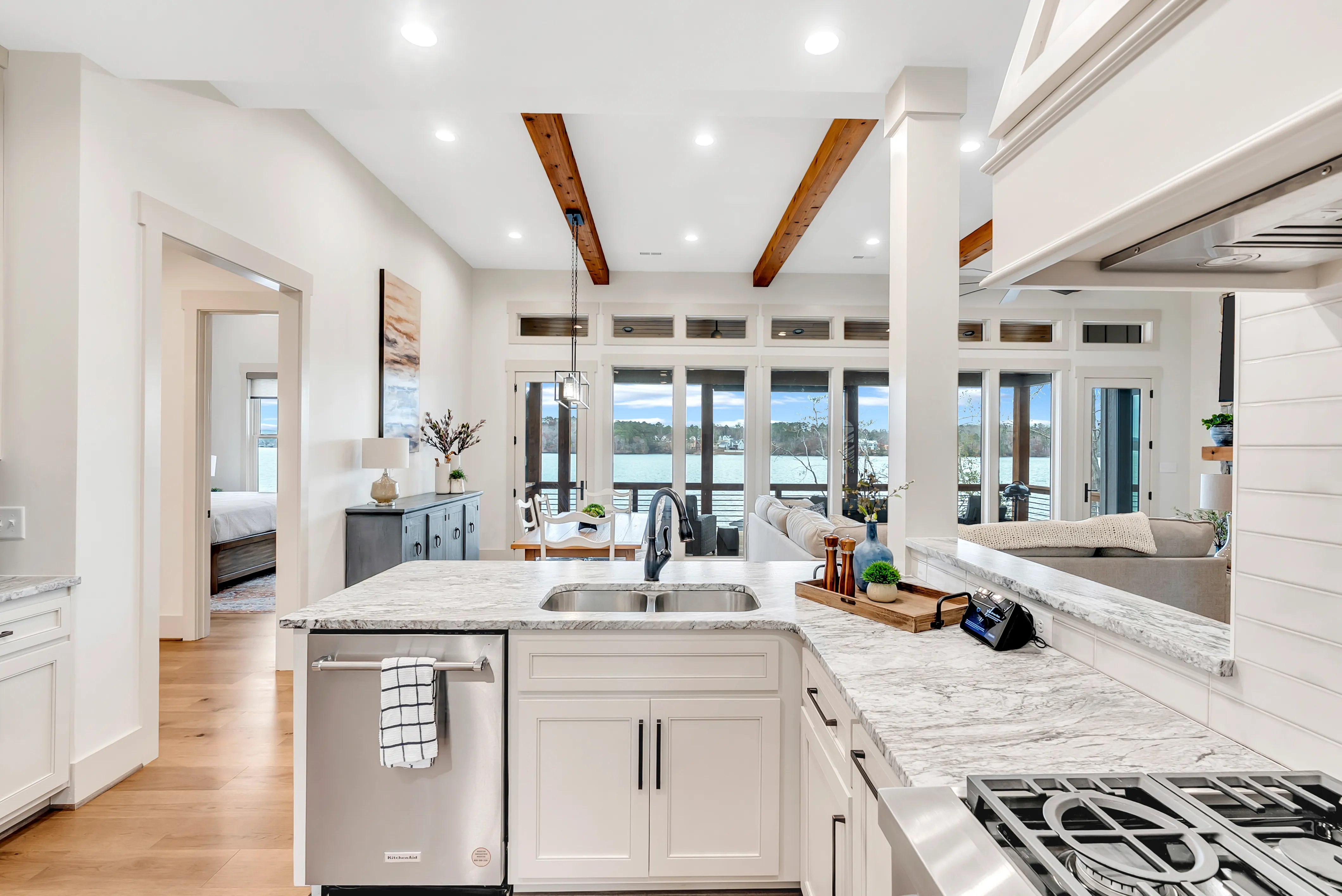
The kitchen is one of the first places buyers tend to pay attention to.
But that doesn't automatically mean you need a full kitchen remodel.
Sometimes a refresh is enough.
Depending on your home, that could include:
- Replacing outdated cabinet hardware
- Touching up cabinets
- Updating light fixtures
- Replacing an old faucet
- Adding a backsplash
- Replacing worn countertops
- Deep cleaning appliances
- Decluttering the counters
The key is to think refresh, not necessarily remodel.
The National Association of REALTORS® notes that updated kitchens can help listings stand out, but the right improvements depend on the home and market.
Before spending thousands on a kitchen renovation, talk with a local agent about what buyers in your price range actually expect.
7. Make Your Bathrooms Feel Fresh
Nobody expects your bathroom to look like a luxury hotel.
But buyers do notice bathrooms that look dirty, dated or poorly maintained.
Start with simple improvements:
- Replace old caulk
- Deep clean grout
- Replace outdated fixtures
- Update cabinet hardware
- Replace a worn shower curtain
- Fix leaks
- Touch up paint
- Improve lighting
If a bathroom needs more work, your agent can help you decide whether a larger update is likely to pay off—or whether you're better off selling it as-is.
8. Boost Your Curb Appeal
Before a buyer sees your kitchen, bedroom or backyard, they see the front of your house.
That's why curb appeal deserves attention.
And you don't need an elaborate landscaping project.
Start with:
- Mowing the lawn
- Trimming bushes
- Pulling weeds
- Adding fresh mulch
- Cleaning the porch
- Washing the front door
- Cleaning windows
- Replacing burned-out exterior bulbs
- Removing clutter from the yard
Curb appeal really does matter to buyers. NAR research reports that 97% of REALTORS® believe curb appeal is important in attracting a buyer, while 92% have suggested sellers improve curb appeal before listing.
In other words, don't let an overgrown flower bed be the reason someone decides your house needs too much work.
9. Make the Exterior Feel Like an Extension of the Home
Charlotte buyers often appreciate usable outdoor space, especially when a home has a patio, deck, screened porch or fenced yard.
You don't necessarily need to build something new.
Instead, make the outdoor space you already have look inviting.
Clean the patio. Power wash the deck. Trim the landscaping. Arrange outdoor furniture. Add a few simple touches that help buyers picture themselves enjoying the space.
The goal is to show buyers:
“Here's another place you can actually live and entertain.”
10. Improve the Lighting
Lighting can completely change how a home feels.
A dark room can feel small and dated. A bright room can feel more open and welcoming.
Before listing:
- Replace burned-out bulbs
- Clean light fixtures
- Open curtains and blinds
- Remove heavy window coverings
- Use brighter bulbs where appropriate
- Turn on lights for showings
And don't underestimate natural light.
Clean windows and open blinds can make a room feel dramatically different.
11. Consider a Pre-Listing Inspection
This isn't necessary for every seller, but it can be worth discussing.
A pre-listing inspection gives you an opportunity to discover potential issues before a buyer does.
That can be helpful because you may have time to decide whether to:
- Fix the issue
- Get an estimate
- Disclose it
- Adjust your pricing strategy
- Leave it as-is and plan for negotiations
NAR has reported that some agents are encouraging pre-listing inspections to address repairs upfront and reduce surprises later in the transaction.
Of course, whether this makes sense for your home depends on your situation.
12. Don't Hide Problems
Here's something important for North Carolina sellers:
Don't assume that fixing or hiding a problem makes it disappear.
North Carolina brokers have a duty to discover and disclose material facts—information that could affect a reasonable person's decision to buy, sell or lease property.
Examples can include significant property defects, certain zoning or restriction issues, flood-zone information and other facts that could affect a buyer's decision.
Your real estate professional can help you understand what needs to be disclosed and how to handle known issues appropriately.
Being upfront can also help prevent unpleasant surprises later.
13. Don't Go Overboard With Renovations
This may be the most important tip on the list.
You don't need to make your home the nicest house on the block.
You need to make it competitive.
If you're selling a home in an established Charlotte neighborhood where buyers expect a few cosmetic updates, spending $80,000 on a luxury kitchen may not be the best financial decision.
On the other hand, if you're competing with several beautifully updated homes, doing nothing may put your property at a disadvantage.
It's all about understanding your competition.
Before starting a major project, ask:
How much will this cost?
Will buyers notice it?
Will it help my home compete?
Am I likely to recover enough of that money when I sell?
That last question is especially important.
Not every dollar you put into a home comes back when you sell.
14. Stage Your Home for the Buyer
Once repairs and cleaning are done, think about how the home looks in photos and during showings.
You want rooms to feel:
- Spacious
- Bright
- Clean
- Comfortable
- Functional
Sometimes that means rearranging furniture. Sometimes it means removing furniture.
Professional home staging isn't always necessary, but even simple staging decisions can help buyers understand how a space can be used.
Your goal isn't to create a showroom.
It's to help buyers see the possibilities.

15. Invest in Professional Photography
You've done all the work. Now make sure buyers can see it.
Most buyers begin their search online, which means your photos are often their first impression of your home.
Professional photography can help highlight:
- Natural light
- Updated spaces
- Open layouts
- Outdoor areas
- Architectural details
- Larger rooms
- Special features
A beautifully prepared home deserves marketing that shows it properly.
16. Get Your Pricing Strategy Right
Here's where all your preparation comes together.
You can have a beautiful kitchen, spotless floors and amazing curb appeal—but if your home is overpriced, buyers may still pass.
When selling a house in Charlotte, NC, your price should reflect the current market, your home's condition and what similar properties are actually selling for.
Don't base your price solely on:
- What you paid for the house
- How much money you spent on improvements
- What you need to move
- What your neighbor is asking
Those things may matter to you, but buyers are looking at today's market.
A good pricing strategy can help you attract serious buyers without leaving money on the table.
What Improvements Add the Most Value to a Home?
There isn't one universal answer.
The best improvements depend on your home, neighborhood, price range and the buyers you're trying to attract.
In many cases, sellers can get more mileage from:
- Cleaning and decluttering
- Fresh paint
- Minor repairs
- Improved curb appeal
- Updated lighting
- Strategic kitchen or bathroom updates
- Professional staging
- Professional photography
The key word is strategic.
You aren't renovating for yourself anymore.
You're preparing the home for the next buyer.
Should I Remodel My Home Before Selling?
Maybe—but don't assume you need to.
Before remodeling, talk to a local Charlotte real estate professional about your home's current condition and competition.
For example, if every competing home has an updated kitchen, a kitchen refresh could make sense.
But if buyers in your neighborhood are comfortable with older kitchens because of the price point, a major remodel may not give you the return you're hoping for.
Sometimes the best way to maximize your home's value is knowing what NOT to spend money on.
How Much Should I Spend Preparing My Home to Sell?
There is no magic number.
Your preparation budget should depend on:
- Your home's current condition
- Your expected selling price
- Your neighborhood
- Competing listings
- Your timeline
- Your financial goals
A $5,000 preparation budget could make sense for one home, while another may need very little or significantly more.
Before spending money, get a professional opinion about which improvements are most likely to matter.
Final Thoughts: Maximize Value Without Overdoing It
Getting the most out of your Charlotte home doesn't necessarily mean spending the most money.
It means spending wisely.
Clean it. Declutter it. Fix the obvious stuff. Improve the first impression. Highlight the features buyers want. Then price and market it strategically.
And before you start knocking down walls or ordering new countertops, talk with someone who understands your local market.
Because the best question isn't:
“What can I do to make my house nicer?”
It's:
“What can I do to make my house more appealing to the buyers who are shopping in my market?”
That's the mindset that can help you maximize your home's value before selling.
Frequently Asked Questions
What is the best way to increase my home's value before selling?
Start with improvements that make your home clean, well-maintained and appealing to buyers. Decluttering, deep cleaning, minor repairs, fresh paint and curb appeal are often good places to start before considering larger renovations.
Should I renovate my kitchen before selling?
Not automatically. A kitchen update may help your home compete, but a major renovation isn't always the best financial choice. Compare your home with competing listings and talk with a local real estate professional before investing.
Does curb appeal increase home value?
Strong curb appeal can help attract buyers and create a better first impression. NAR reports that 97% of REALTORS® consider curb appeal important in attracting buyers.
Should I get a home inspection before selling?
A pre-listing inspection can help identify potential issues before you put your home on the market. It isn't right for every seller, but it may give you more time to address problems or plan for negotiations.
How can I increase my home's value without spending a lot of money?
Start with low-cost improvements: decluttering, deep cleaning, fresh paint, minor repairs, better lighting and curb appeal. These can make a home feel more polished without requiring a major renovation.
How do I know what my home is worth?
The best starting point is a local comparative market analysis (CMA). It looks at recent sales and current competition to help estimate what buyers may realistically pay for your home.
Is it worth improving my home before selling in Charlotte, NC?
It can be, but the right improvements depend on your property and local competition. The goal isn't to renovate everything—it's to make smart improvements that help your home stand out and appeal to buyers.
Thinking about selling your Charlotte-area home? Before you spend money on renovations, let's talk about which improvements are actually worth it. Contact us Live Love Homes today!

Lisa Archer
CEO / Broker | Live Love Homes | Keller Williams Ballantyne | PLACE
or another way